Pool Coping Seals: UV Protection and Flexibility for Queensland Heat
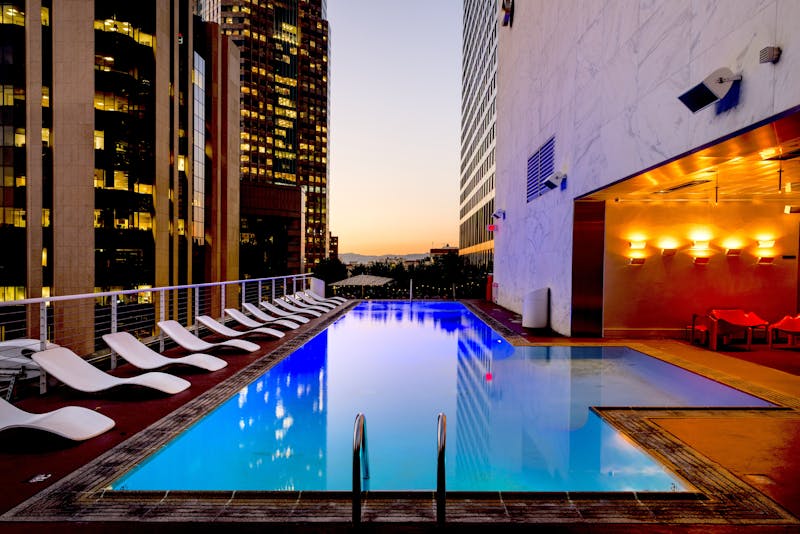
Pool surrounds in Queensland cop extreme UV and chlorine exposure. Here's how to seal them properly for years of performance.
Pool surrounds in Queensland cop extreme UV and chlorine exposure. The joints between pool coping, pavers, and the pool shell are under constant stress — and failures can lead to water ingress, salt attack, and costly structural repairs.
Why Pool Joints Fail
The combination of intense UV radiation, chlorinated water splash, thermal cycling (hot days, cool nights), and ground movement makes pool surrounds one of the most demanding sealing environments. Standard silicone degrades rapidly in these conditions, often within 1-2 years.
The Right Product for Pools
Pool coping joints require a UV-stable, chemical-resistant sealant with high movement accommodation. We typically specify modified silicone or hybrid sealants specifically formulated for pool and paving applications. Colour matching to the coping stone or paver is important for a clean finish.
Preparation Is Everything
Pool joints must be completely stripped back, cleaned of all old sealant residue, and dried before re-sealing. Backer rod is installed to control depth and prevent three-sided adhesion. In many cases, a primer is required to ensure long-term bond to the substrate — especially on natural stone coping.
Maintenance Schedule
Even with the right product and installation, pool joints in Queensland should be inspected annually and typically require re-sealing every 3-5 years depending on exposure. A programmed maintenance approach is far more cost-effective than waiting for failure and dealing with water damage.
CaulkTech services pool builders, property managers, and homeowners across SEQ. We use only proven pool-rated sealants and back every job with our workmanship guarantee. Contact us for a quote on your pool re-seal.